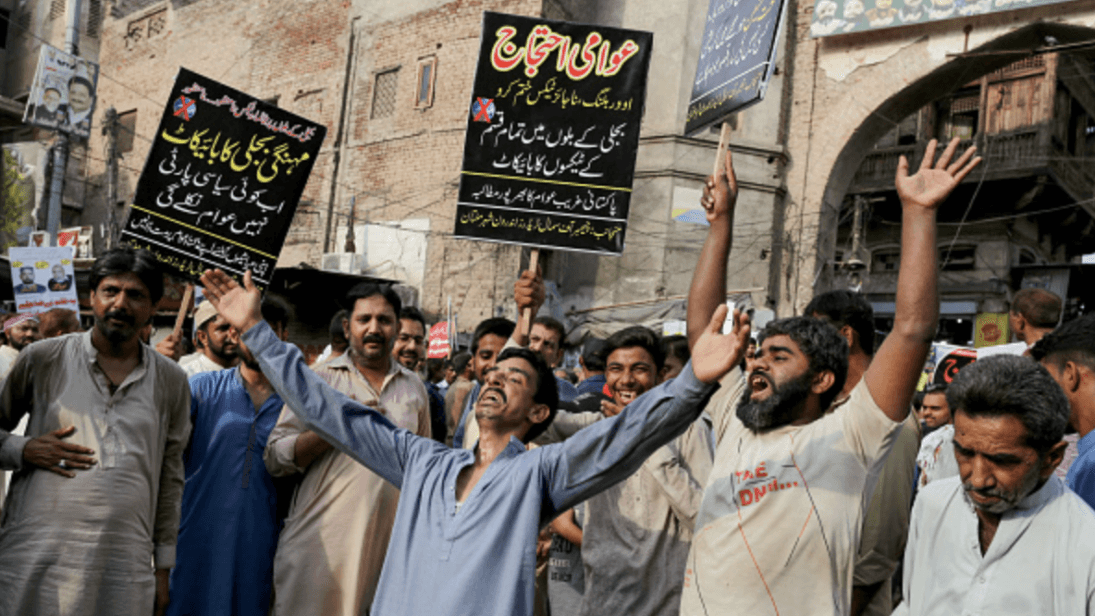
Pakistan’s energy sector has long struggled with instability, inefficiency, and public mistrust. Over the years, governments have introduced multiple policies aimed at fixing electricity shortages, reducing costs, and promoting renewable energy. However, one issue remains constant: frequent policy changes. Instead of providing clarity and confidence, these shifts often create confusion, uncertainty, and financial stress for consumers.
While policy updates are sometimes necessary, constant revisions without long-term vision can cause more harm than good. For the average citizen, energy policies no longer feel like solutions — they feel like risks.
The Role of Energy Policy in Everyday Life
Energy policies are not abstract documents. They directly affect:
- Monthly electricity bills
- Investment decisions
- Business costs
- Household financial planning
When policies are stable and predictable, consumers can plan ahead. When they change frequently, trust disappears. Unfortunately, Pakistan’s energy sector has leaned heavily toward the latter.
A History of Short-Term Decision Making
Pakistan’s energy policies have often focused on short-term relief rather than long-term stability. Emergency measures are introduced to manage immediate crises, but long-term consequences are rarely addressed.
Tariff adjustments, fuel price mechanisms, and subsidy changes are announced with little public consultation. These decisions may balance government accounts temporarily, but they shift the burden directly onto consumers.
Renewable Energy Policies and Mixed Signals
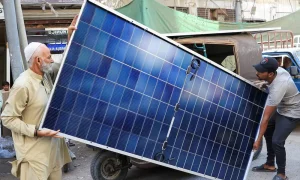
The promotion of renewable energy, especially solar, is a clear example of policy inconsistency. On one hand, the government encourages solar adoption through incentives and public messaging. On the other, uncertainty around net metering rates, approval delays, and regulatory changes discourages investment.
This contradiction sends mixed signals to the public. People are encouraged to invest, yet fear that future policy changes could reduce returns or increase risks.
The Cost of Policy Instability
Frequent changes create real financial consequences:
- Consumers delay investment decisions
- Businesses hesitate to expand
- Banks become cautious about financing
- Public trust declines
For middle-class households, policy instability is especially damaging. These families do not have financial buffers to absorb sudden changes. A single unfavorable decision can disrupt years of planning.

Lack of Public Communication
Another major issue is poor communication. Policies are often announced through technical notifications that ordinary consumers cannot easily understand. There is little effort to explain:
- Why changes are necessary
- How they will affect consumers
- What protections exist
This communication gap creates fear, speculation, and misinformation.
Regulation Without Enforcement
Even when good policies exist, weak enforcement undermines them. Regulations around quality standards, licensing, and compliance are inconsistently applied. This allows poor practices to continue, harming both consumers and the industry.
Strong policies require strong enforcement. Without it, rules lose meaning.
Can Stability Be Achieved?
Stability does not mean policies should never change. It means changes should be:
- Predictable
- Gradual
- Transparent
- Backed by long-term planning
Energy policy should protect public interest, not surprise it.
PublicEnergyView’s Policy Perspective
At PublicEnergyView, we believe Pakistan’s energy crisis is not only technical — it is institutional. Without stable and transparent policies, even the best technologies will fail to deliver benefits.
Energy policy must be built on trust. Until that trust is restored, public confidence will remain fragile, and progress will remain slow.