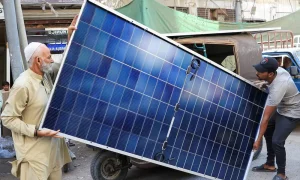
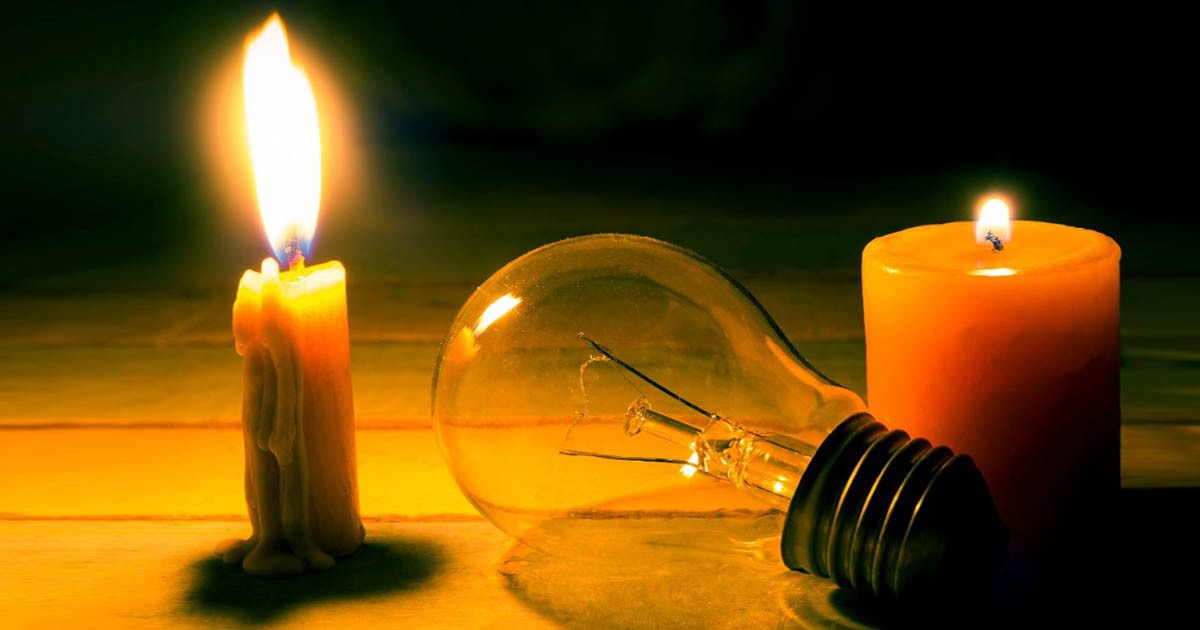
For millions of Pakistanis, the energy crisis is not a policy debate or an economic discussion. It is a daily reality that shapes how they live, work, and plan their future. Load-shedding disrupts education, damages businesses, and affects mental well-being. While officials talk about megawatts and reforms, ordinary citizens struggle with basic access to electricity.
Homes Turn Into Survival Spaces
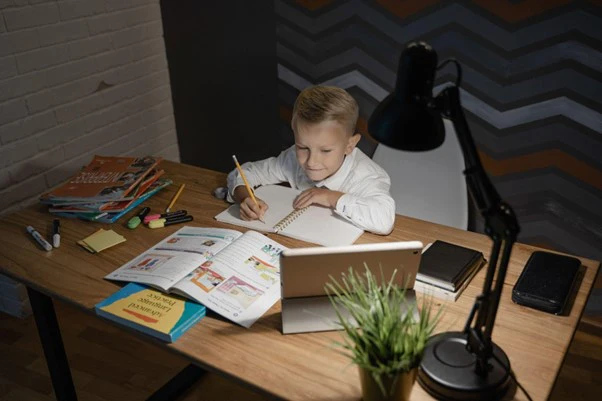
During extended power cuts, households are forced to adapt. Families shift routines, children study under backup lights, and appliances remain unused to save power. For low-income households, generators and solar systems are not affordable options.
Women, in particular, face added burdens as household chores become harder without electricity. Fans stop working in extreme heat, and water pumps fail during outages.
Students Pay the Hidden Price
Students are among the most affected groups. Online classes, homework, and exam preparation depend heavily on reliable electricity. In rural and low-income urban areas, students miss study hours daily due to power cuts.
This creates an invisible education gap between those who can afford backup solutions and those who cannot.
Small Businesses Struggle to Survive
Tailors, shopkeepers, barbers, and small manufacturers rely on electricity to earn daily income. Load-shedding means lost customers, delayed work, and reduced earnings. Many small businesses shut down earlier than usual due to power outages.
For them, electricity is not a convenience—it is survival.
Public Frustration and Loss of Trust
Repeated power failures have created frustration and anger. People feel unheard and ignored. Protests erupt during severe load-shedding periods, especially in summer.
This loss of trust in the system pushes citizens toward off-grid solutions, further weakening the national power network.ergy transformation requires integration, planning, and education. Renewable energy must be treated as a system, not a shortcut.