Electricity has become one of the biggest monthly worries for households across Pakistan. For many families, the power bill now costs more than food, education, or transport. While people often blame distribution companies or meter readers, the real reasons behind high electricity prices are far deeper and more complex.
At the heart of the problem is Pakistan’s power generation model. Most electricity is produced using imported fuels such as furnace oil, LNG, and coal. When international fuel prices rise or the rupee weakens, the cost of producing electricity increases immediately. These costs are then passed directly to consumers through fuel adjustment charges.
Another major factor is capacity payments. Pakistan has signed long-term contracts with power producers, promising to pay them whether electricity is used or not. Even if demand is low, the government must still pay these fixed charges. This burden is again transferred to consumers in the form of higher tariffs.
Circular debt also plays a critical role. When consumers cannot afford to pay bills, recovery drops. Distribution companies fail to pay power producers, and the debt continues to grow. To control this debt, tariffs are increased further, creating a vicious cycle that hurts the public the most.
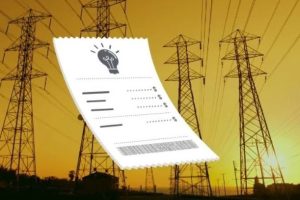
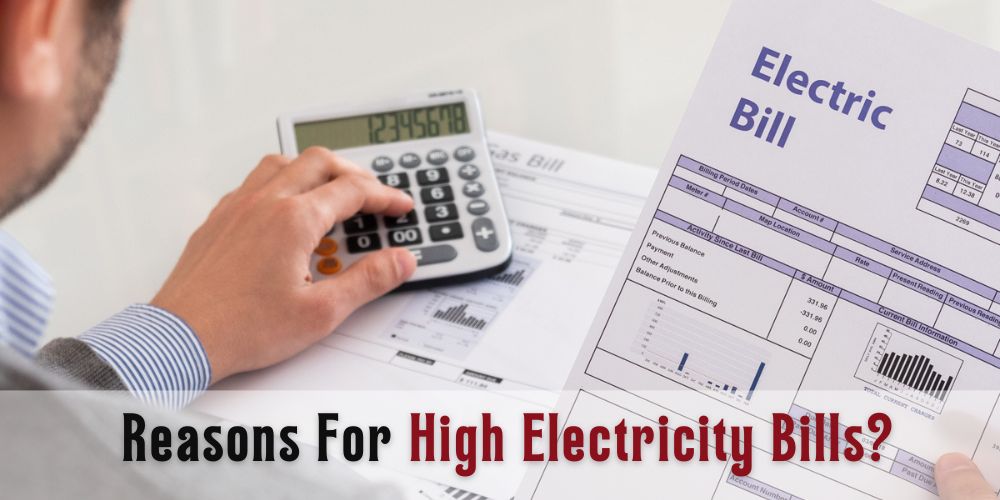
Taxes and surcharges added to electricity bills make the situation even worse. A large portion of the bill does not represent actual electricity usage but includes government levies, debt servicing, and policy-related charges. For the average citizen, understanding the bill itself has become confusing and frustrating.
The middle class is suffering the most. They earn too much to qualify for subsidies but not enough to absorb repeated price hikes. Many families have reduced electricity usage to extreme levels, avoiding basic comfort just to manage monthly expenses.
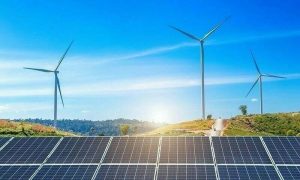
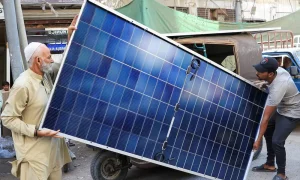
Until Pakistan reforms its power contracts, improves governance, and shifts towards affordable local energy sources, electricity will remain out of reach for millions.