Solar energy is often described as Pakistan’s most promising solution to its long-standing electricity crisis. With abundant sunlight, rising electricity costs, and growing public interest, solar power appears to be a natural fit for the country’s energy needs. Over the last few years, solar installations have increased rapidly across residential, commercial, and industrial sectors.
However, despite this progress, solar energy in Pakistan has not reached its full potential. While the promise is strong, multiple challenges continue to hold the sector back. Understanding both the progress and the problems is essential to forming a realistic view of solar energy’s role in Pakistan’s future.
Pakistan’s Natural Advantage for Solar Power
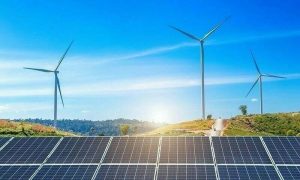
Geographically, Pakistan lies in one of the world’s most solar-rich regions. Most areas receive high solar irradiation throughout the year, making solar power technically viable across the country. From urban rooftops to rural off-grid areas, the potential applications are vast.
This natural advantage has encouraged both private and public sector interest. Solar farms, rooftop systems, and hybrid solutions are now part of the national energy conversation.
Rapid Growth in Solar Adoption
In recent years, solar adoption has grown at an impressive pace. Rising electricity tariffs and frequent load shedding pushed consumers to seek alternatives. Solar became attractive because it offered:
- Reduced electricity bills
- Daytime power independence
- Cleaner energy
- Long-term cost control
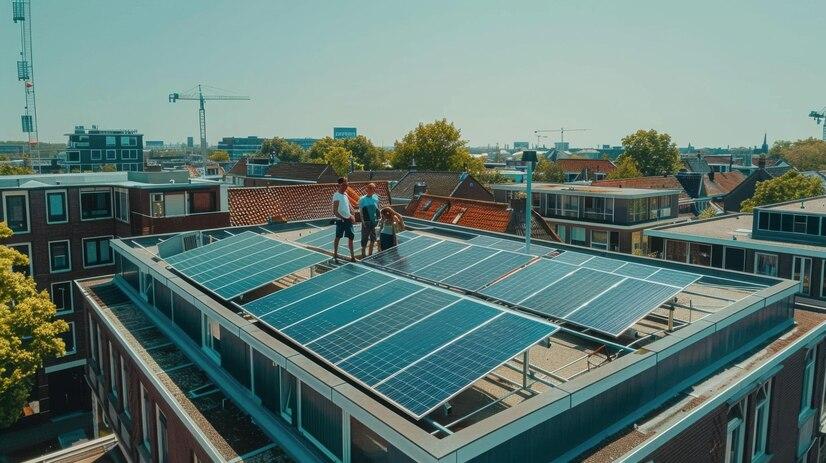
Businesses, in particular, embraced solar to stabilize operating expenses. Residential users followed soon after, driven by rising household electricity bills.
The Role of Imported Technology
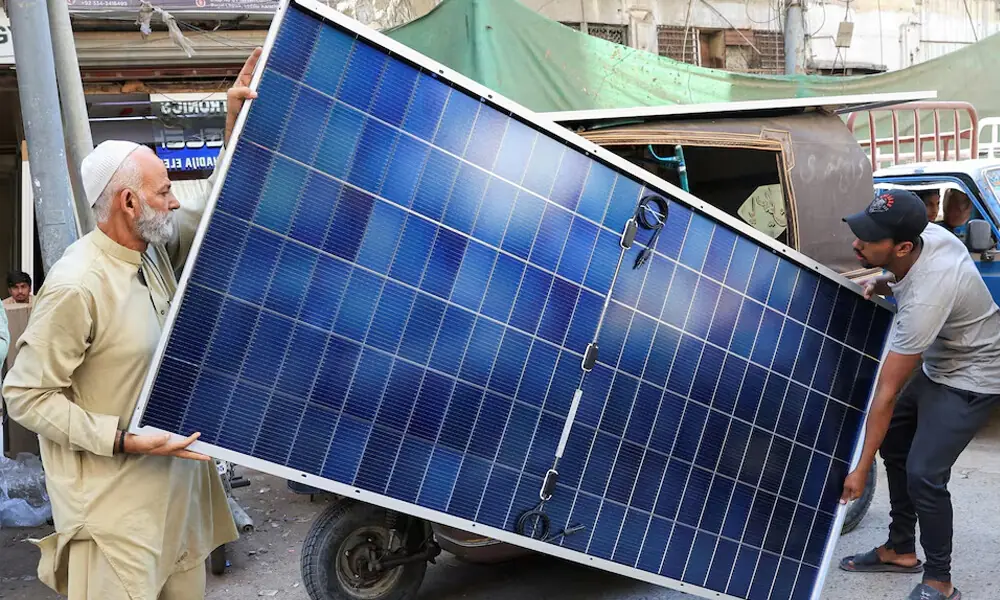
Most solar equipment used in Pakistan is imported. Panels, inverters, and batteries primarily come from international manufacturers. While this has helped expand access to modern technology, it also creates dependency on imports and exposes the market to currency fluctuations.
As the rupee weakens, solar system costs increase, making affordability a growing concern for consumers.
Infrastructure and Grid Limitations
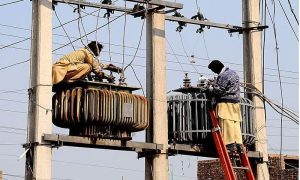
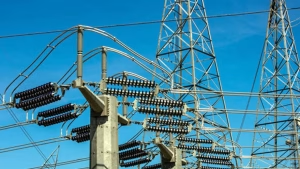
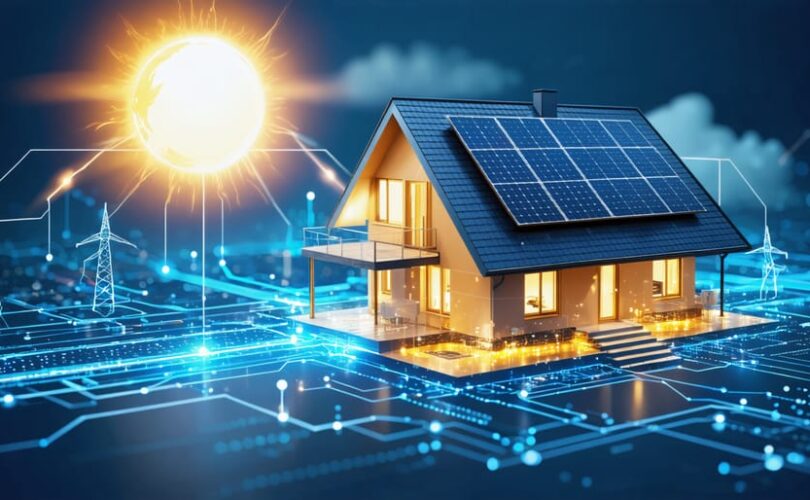
One of the biggest obstacles to solar expansion is Pakistan’s outdated grid infrastructure. The grid was not designed to handle large-scale distributed generation. As more solar systems connect to it, technical challenges emerge, including voltage fluctuations and capacity constraints.
Without grid modernization, solar growth will eventually face hard limits.
Quality Control Issues
Another major problem is inconsistent quality control. The solar market lacks standardized enforcement of equipment quality and installation practices. As a result:
- Low-quality panels enter the market
- Inverters fail prematurely
- Improper installations reduce efficiency
These issues damage public confidence and slow long-term adoption.
The Human Skills Gap
Solar energy is not just about technology; it is also about people. Pakistan faces a shortage of well-trained solar technicians, engineers, and system designers. Poor training leads to incorrect installations and unrealistic performance expectations.
Investing in skills development is just as important as investing in equipment.
Environmental and Economic Benefits
Despite its challenges, solar energy delivers significant benefits. It reduces carbon emissions, lowers fuel imports, and creates local employment opportunities. In the long run, it can strengthen energy security and reduce exposure to global fuel price shocks.
These benefits make solar energy a strategic asset, not just a consumer product.
Is Solar Living Up to Its Promise?
Solar energy in Pakistan has made strong progress, but it has not yet delivered on its full promise. The technology works, the demand exists, and the potential is enormous. What is missing is coordination, regulation, and long-term planning.
Without addressing these issues, solar growth risks becoming fragmented and unsustainable.
PublicEnergyView’s Perspective
At PublicEnergyView, we believe solar energy remains one of Pakistan’s most important opportunities. However, progress without planning leads to problems. Solar must be supported by regulation, infrastructure upgrades, and skills development.orm begins when consumers are placed at the center of the regulatory system.