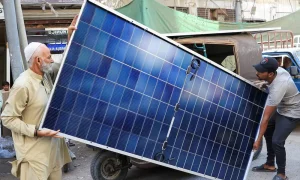
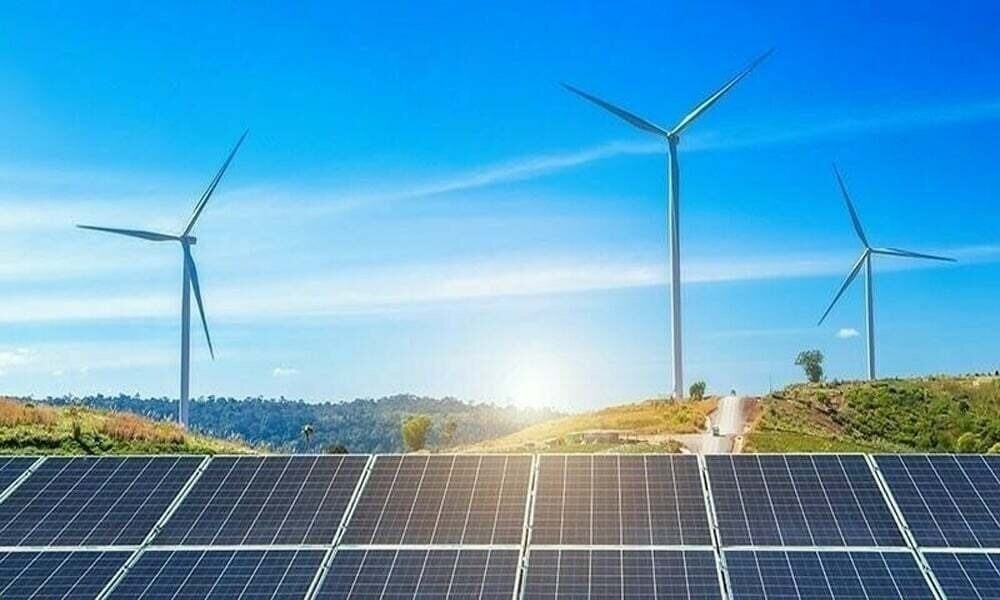
Renewable energy in Pakistan is often discussed as if it were a single solution, with solar panels at the center of the conversation. While solar power is important, focusing only on panels ignores the broader system required to make renewable energy reliable, affordable, and scalable.
For renewable energy to truly transform Pakistan’s energy sector, a system-level approach is essential — one that includes technology, policy, infrastructure, storage, and public awareness.
Renewable Energy Is More Than Technology
Technology alone cannot fix energy problems. Renewable energy systems depend on:
- Grid integration
- Energy storage
- Forecasting and planning
- Consumer behavior
Without these elements, even the best technology delivers limited results.
The Importance of Energy Storage
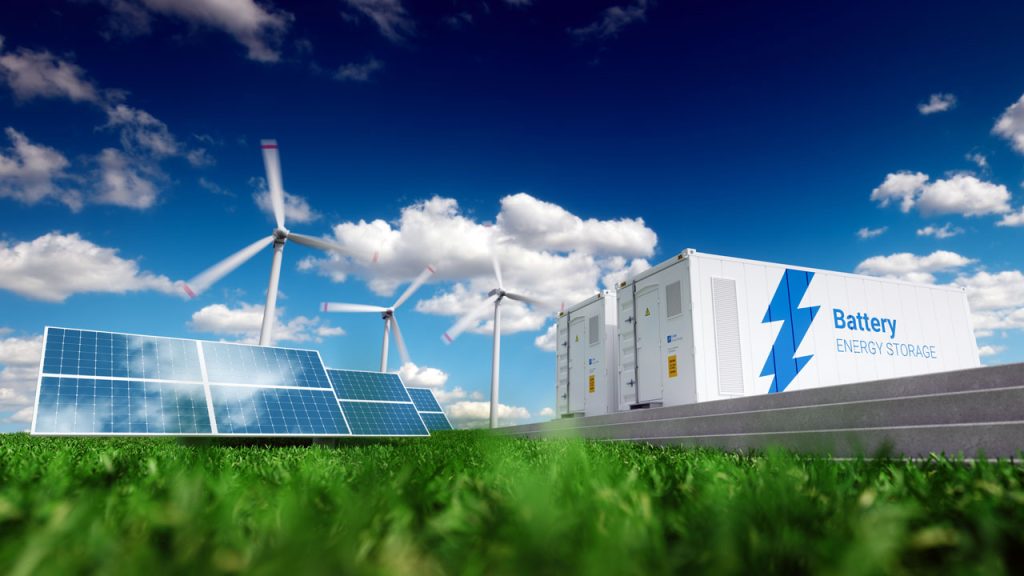
One of the biggest challenges for renewable energy is intermittency. Solar power is only available during daylight hours, and wind power depends on weather conditions. Without proper storage solutions, renewable energy cannot provide consistent supply.
Battery storage, pumped hydro, and hybrid systems are critical for balancing supply and demand. However, storage solutions remain expensive and underdeveloped in Pakistan.
Grid Integration Challenges
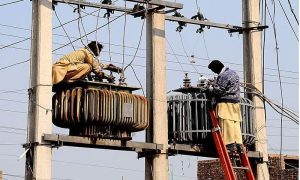
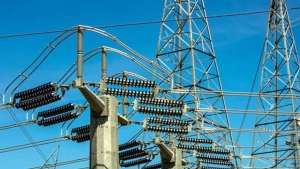
Pakistan’s grid was designed for centralized power generation, not distributed renewable sources. Integrating renewables requires:
- Smart grid technologies
- Real-time monitoring
- Flexible load management
Without these upgrades, renewable energy expansion will remain limited.
Policy Coordination Matters
Renewable energy policies must align with broader energy planning. Encouraging solar installations without upgrading the grid or planning storage leads to system stress. Policies must be coordinated across institutions and timelines.
Fragmented policy efforts waste resources and reduce effectiveness.
Public Awareness and Expectations
Public understanding of renewable energy remains shallow. Many consumers expect solar systems to provide uninterrupted power without understanding system limitations. This gap between expectation and reality leads to dissatisfaction.
Education is a critical component of renewable energy success.
The Role of Wind and Hydropower
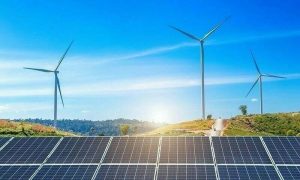
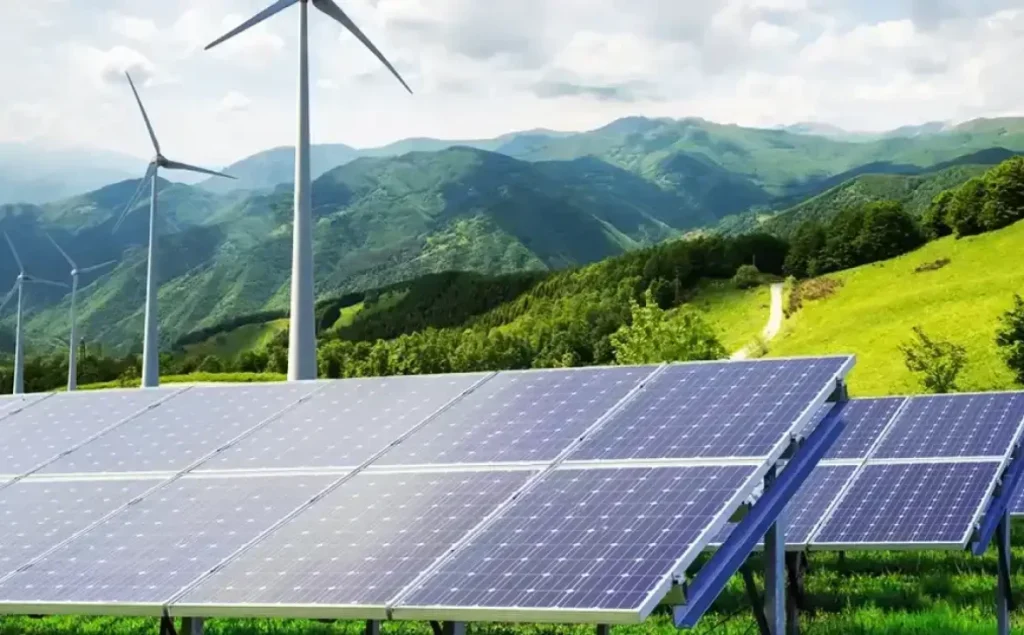
Solar should not stand alone. Pakistan has strong wind corridors and hydropower resources. A balanced renewable mix improves reliability and reduces dependence on any single source.
Diversification strengthens resilience.
Financing the Renewable Transition
Large-scale renewable expansion requires financing mechanisms that support long-term investment. Affordable financing, risk sharing, and clear returns are essential for attracting both public and private capital.
Without financing reform, growth will remain slow.
A System That Works Together
Renewable energy succeeds when all parts of the system work together:
- Technology
- Infrastructure
- Policy
- People
Ignoring any one element weakens the whole system.
PublicEnergyView’s Editorial View
At PublicEnergyView, we believe Pakistan’s renewable future depends on systems thinking. Solar panels are a starting point, not the destination.
True energy transformation requires integration, planning, and education. Renewable energy must be treated as a system, not a shortcut.