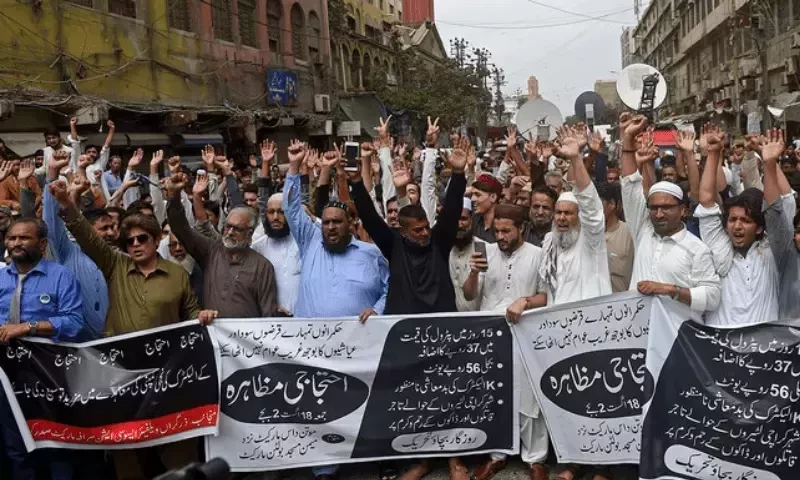
In theory, regulation exists to protect consumers. In practice, many energy consumers in Pakistan feel unprotected, unheard, and exposed to risk. Despite having regulatory bodies, rules, and frameworks, the gap between regulation and real-world protection remains wide.
For the average household, regulation often feels distant and ineffective — a system that exists on paper but fails in practice.
What Energy Regulation Is Supposed to Do
Energy regulation should ensure:
- Fair pricing
- Service quality
- Consumer protection
- Market accountability
Regulators are meant to act as neutral guardians between the government, utilities, and the public. When this balance fails, consumers suffer.
The Consumer’s Experience
From delayed complaint resolutions to unexplained billing adjustments, consumers regularly face issues without clear remedies. Regulatory processes are slow, complex, and inaccessible to most people.
Many consumers do not even know:
- Where to file complaints
- What rights they have
- How disputes are resolved
This lack of accessibility turns regulation into an abstract concept rather than a practical safeguard.
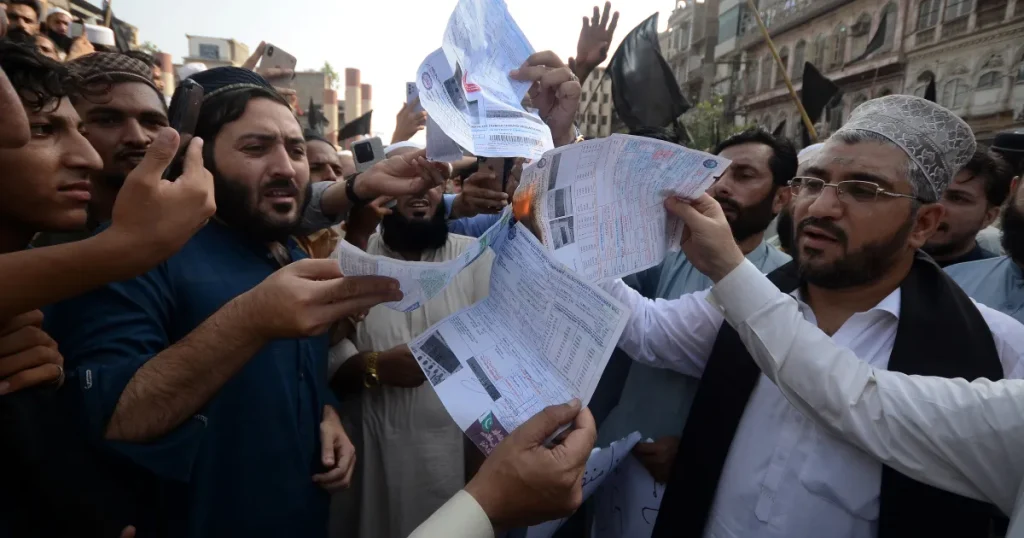
The Problem of Weak Oversight
Weak oversight allows inefficiencies to continue unchecked. Distribution losses, poor service quality, and billing errors persist without accountability. When penalties exist, they are rarely enforced strongly enough to drive improvement.
As a result, utilities face little pressure to improve customer experience.
Renewable Energy and Regulatory Gaps
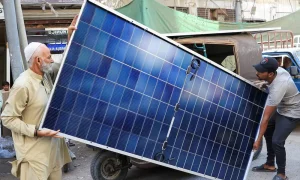
As renewable energy adoption increases, regulatory gaps become more visible. Issues related to:
- Net metering disputes
- System approvals
- Technical standards
often leave consumers stuck between installers, utilities, and regulators — with no clear resolution path.
Transparency and Accountability
Transparency is a key pillar of effective regulation. Unfortunately, many regulatory decisions lack clear public explanation. When decisions are made without transparency, trust erodes.
Consumers begin to feel that regulation serves institutions more than people.
Why Consumers Feel Unprotected
The sense of exposure comes from:
- Complex complaint mechanisms
- Slow response times
- Limited public engagement
- Weak enforcement
When regulation fails to deliver tangible protection, it loses legitimacy.
What Needs to Change
Effective consumer protection requires:
- Simplified complaint systems
- Faster dispute resolution
- Public awareness campaigns
- Stronger enforcement powers
Regulation must evolve with the energy market, not lag behind it.
PublicEnergyView’s Editorial Stand
At PublicEnergyView, we believe regulation should be judged by outcomes, not intentions. If consumers do not feel protected, regulation is failing.
Energy reforms must prioritize accessibility, accountability, and transparency. Without these, regulation becomes a formality — not a safeguard.
True reform begins when consumers are placed at the center of the regulatory system.