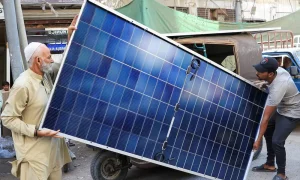
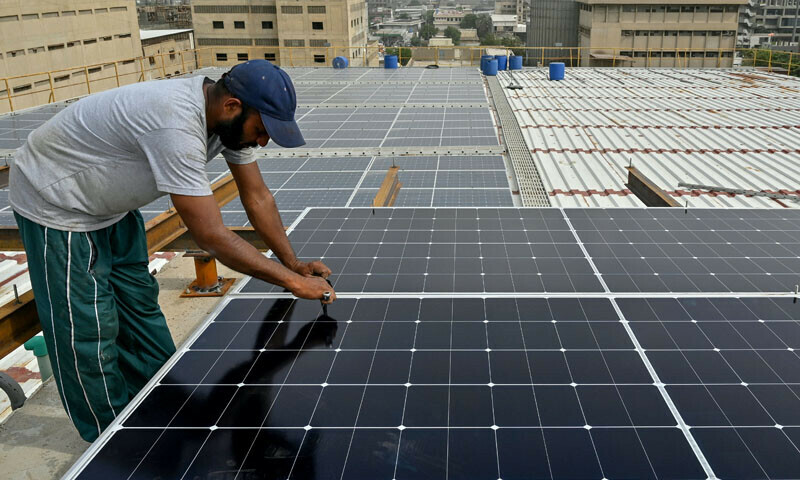
Solar energy is often promoted in Pakistan as an affordable and smart alternative to expensive grid electricity. Advertisements, social media campaigns, and installer promises frequently describe solar power as a “one-time investment” that guarantees long-term savings. While this message sounds appealing, it does not fully reflect the reality faced by most middle-class households.
For many families, solar energy is not cheap, not simple, and not risk-free. The growing gap between expectations and ground realities has created frustration and confusion. This raises an important question: Why does solar still feel out of reach for Pakistan’s middle class, despite being marketed as a cost-saving solution?
The Middle-Class Energy Struggle
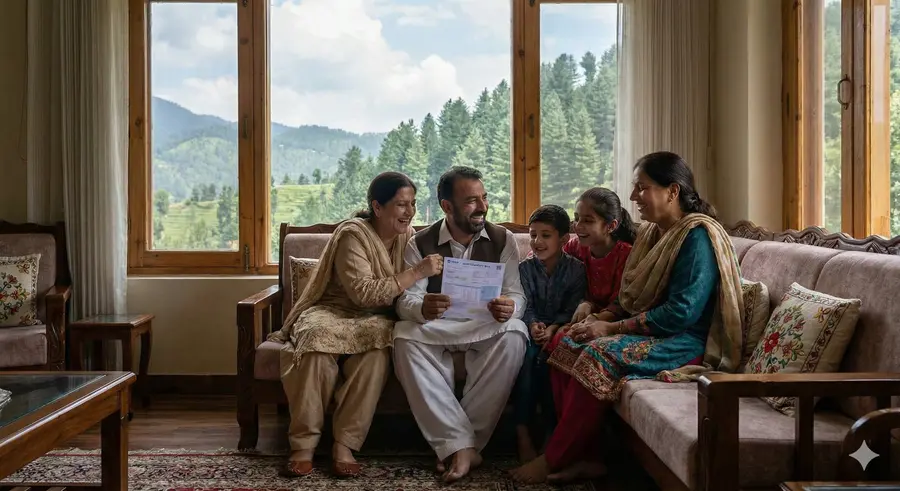
The middle class in Pakistan is under constant financial pressure. Rising inflation, increasing fuel prices, higher taxes, and expensive utilities have made basic living more difficult. Electricity bills now consume a significant portion of monthly income, leaving families desperate for relief.
Solar energy appears to be the logical escape. However, when families begin exploring actual system costs, many quickly realize that the numbers do not align with the promises they have heard.
The Upfront Cost Barrier
The biggest challenge for middle-class households is the initial installation cost. A decent-quality solar system that can meaningfully reduce electricity bills requires:
- Quality solar panels
- A reliable inverter
- Proper mounting structures
- Safety equipment
- Installation labor
Even before batteries are added, the cost is often beyond what an average household can comfortably afford. Many families end up using savings, taking loans, or selling assets to finance installations.
Solar may save money over time, but for a middle-class household living month to month, the upfront expense is a serious barrier.
Batteries: The Hidden Expense
In Pakistan, batteries are not optional for most solar users. Due to load shedding and nighttime consumption, battery storage becomes essential. This is where many cost calculations fall apart.
Batteries:
- Are expensive
- Have limited lifespans
- Require replacement every few years
Most promotional material downplays this cost. When batteries fail after two or three years, families are forced to make another major investment, often unplanned. This recurring expense makes solar far less affordable than initially expected.
Compromises That Lead to Problems
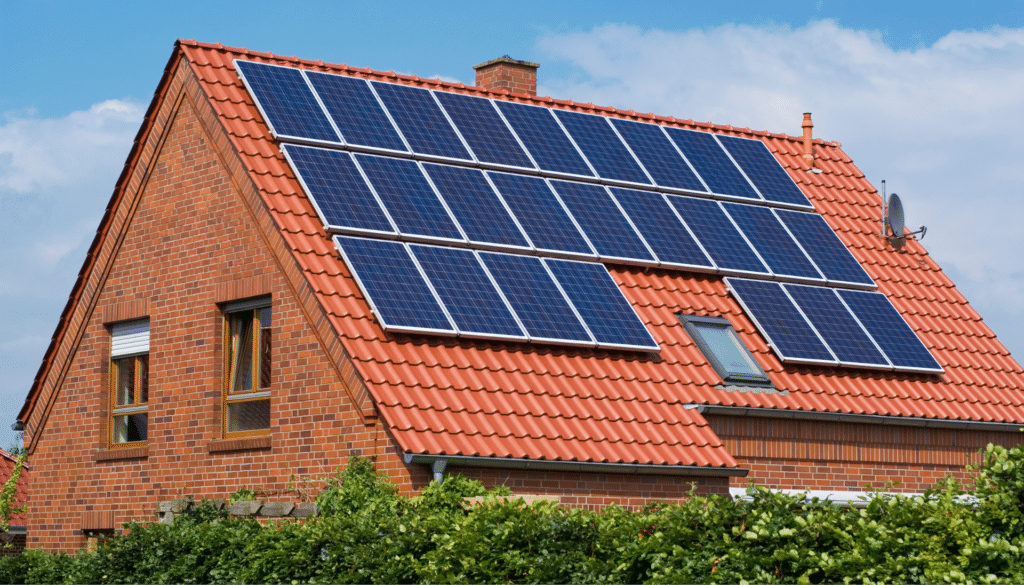
To reduce costs, many middle-class families compromise on system quality. Cheaper panels, low-end inverters, or unverified batteries are commonly used. While this reduces initial spending, it often results in:
- Lower system performance
- Frequent technical issues
- Reduced system lifespan
Instead of saving money, these compromises increase long-term costs and stress. Solar technology itself is reliable, but poor-quality components turn a promising solution into a financial burden.
The Role of Unregulated Installers
Another major issue is the lack of regulation in Pakistan’s solar market. Anyone can claim to be a solar expert. Middle-class consumers, lacking technical knowledge, often rely on installer advice without understanding system design or specifications.
This leads to:
- Incorrect system sizing
- Overpromised savings
- No after-sales support
When problems arise, installers may disappear or shift responsibility. The consumer is left to deal with repairs and losses alone.
Financing Solar: A Limited Option
In theory, financing could make solar more accessible. In reality, financing options in Pakistan are limited and often unattractive. Bank loans for solar systems come with:
- High interest rates
- Complex approval processes
- Strict eligibility requirements
For many middle-class families, financing adds financial risk rather than reducing it. Monthly installments, combined with ongoing electricity bills and maintenance costs, can actually increase financial pressure.
Solar vs. Household Reality
Solar systems are often designed based on ideal conditions. In reality, middle-class households face:
- Seasonal usage variations
- Increased consumption over time
- Appliance upgrades
- Changing family needs
A system that seems sufficient today may feel inadequate within a few years. Upgrading a solar system later adds further cost, making long-term planning difficult.
Expectations vs. Reality
One of the biggest problems is unrealistic expectations. Solar is frequently presented as a complete replacement for grid electricity. In practice, many households still rely on the grid during peak hours, cloudy days, or high usage periods.
When expected savings do not fully materialize, disappointment sets in. Solar becomes a source of stress instead of relief.
Is Solar Still Worth It for the Middle Class?
Despite these challenges, solar energy is not a bad decision. It offers real benefits, including reduced bills, cleaner energy, and partial independence from the grid. However, it is not equally accessible to everyone.
For the middle class, solar requires:
- Careful planning
- Honest cost assessment
- Reliable installers
- Realistic expectations
Without these, solar risks becoming a financial strain rather than a solution.
PublicEnergyView’s Opinion
At PublicEnergyView, we believe the conversation around solar must be more honest. Solar energy is valuable, but presenting it as universally cheap is misleading. Middle-class families deserve transparency, not marketing hype.
Solar should be promoted as a long-term investment with responsibilities, not a quick fix. Until costs are addressed, financing improves, and the market becomes regulated, solar will remain a difficult choice for much of Pakistan’s middle class.
Solar is part of the solution — but affordability must be discussed openly if it is to serve everyone fairly.