When tensions boil over in the Persian Gulf, the shockwaves rarely stay contained to the battlefield. For decades, the global economy has danced on a razor-thin edge of geopolitical dependence, tethered to a handful of critical shipping lanes and fossil-fuel-producing regions. Today, as conflict between the United States and Iran flares up in the Middle East, that vulnerability has been laid bare once again.
Energy is the beating heart of the global economy. When supply lines through vital arteries like the Strait of Hormuz stutter, the ripple effects are immediate and severe. Oil and natural gas prices spike, shipping insurance premiums skyrocket, and nations thousands of miles away find themselves scrambling to protect their citizens from soaring electricity bills, food costs, and manufacturing expenses.
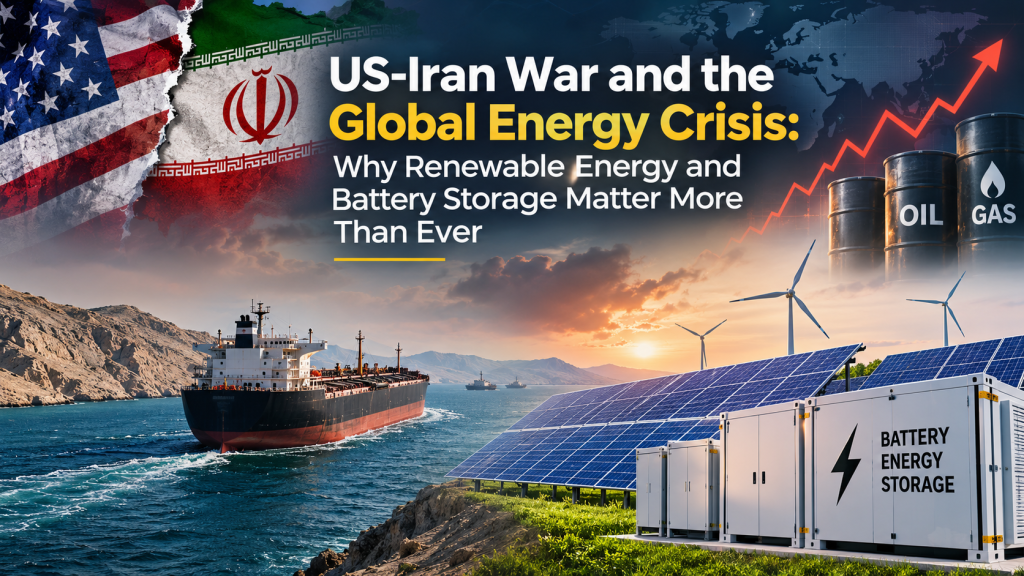
It is a familiar, exhausting cycle—and it raises an urgent question: How much longer will the world allow its energy security to be held hostage by geopolitical flashpoints?
The Chokepoint Dilemma
To understand why a regional conflict instantly becomes a global crisis, you only have to look at a map of the Middle East. Saudi Arabia, Iraq, the UAE, Kuwait, Qatar, and Iran form the engine room of traditional global energy supply. And nearly all of their maritime exports must funnel through a single, narrow maritime bottleneck: the Strait of Hormuz.
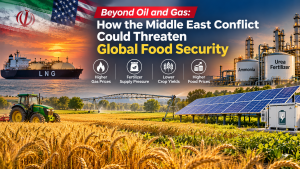
According to the International Energy Agency (IEA), roughly a quarter of the world’s seaborne oil trade and about 20% of global liquefied natural gas (LNG)—much of it from Qatar—passes directly through this watery corridor.
When military threats loom over the Strait, shipping companies face impossible choices: reroute vessels on longer journeys, pay exorbitant war-risk insurance premiums, or halt operations altogether. Even if energy flows never entirely stop, the added costs cascade down the line:
- At the pump and in the skies: Diesel, petrol, and jet fuel get more expensive, instantly driving up the cost of moving goods and people.
- On factory floors: Industries dependent on heavy power and fuel face crushing operational expenses.
- In the fields: Agriculture takes a double hit through surging fertilizer prices, running machinery, and refrigerated transport.
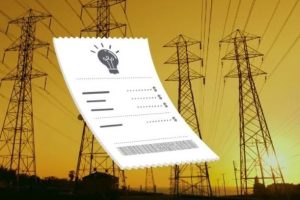
- At home: Ordinary households bear the ultimate burden through inflated prices for electricity, groceries, and everyday essentials.
Developing economies, lacking the deep financial buffers to absorb sudden energy spikes, are hit hardest. Yet even resource-rich nations aren’t immune, as international commodity pricing dictates domestic markets.
Escaping the Trap: Renewables as a Shield
For years, transitioning to solar and wind power was framed primarily as an environmental obligation—a way to cut carbon and combat climate change. But in the shadow of geopolitical volatility, clean energy has evolved into a matter of national security and economic self-defense.
Unlike oil, gas, or LNG, the sun and wind don’t require tankers, pipelines, or secure shipping lanes. Once a solar farm or wind turbine is built, its fuel is free and local.
Shifting toward renewables changes the game in several fundamental ways:
- Cost Predictability: You don’t have to negotiate fuel purchases or worry about cartel production quotas. Long-term energy generation costs become stable and forecastable.
- True Independence: By generating power domestically, countries insulate themselves from foreign political maneuvering and supply chain snarls.
- Commercial Resilience: Businesses equipped with local generation can better weather erratic utility markets.
The Missing Piece: Battery Storage
Of course, clean energy has a well-known Achilles’ heel: nature doesn’t always cooperate with human schedules. Solar panels soak up energy at noon, but people turn on lights, cook dinners, and heat homes after dark. Wind turbines generate power when the weather permits, not necessarily when factory demand peaks.
This is where Battery Energy Storage Systems (BESS) bridge the gap.
Modern lithium iron phosphate (LFP) batteries act as the shock absorbers of the modern grid. They capture excess power when generation is high and release it seamlessly when demand spikes.
- For Homes and Businesses: Rooftop solar paired with localized battery storage offers backup power during outages and trims reliance on volatile grid pricing.
- For Heavy Industry: Factories can lean on stored energy to manage expensive peak-demand hours and maintain continuous operations through disruptions.
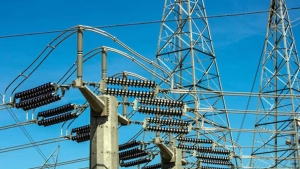
- For National Grids: Utility-scale battery installations give grid operators the flexibility to balance supply, stabilize frequency, and reduce reliance on expensive, polluting peaking power plants.
Building a Resilient Future
The current crisis shouldn’t just be viewed as an economic headache; it is a wake-up call. Energy security in the 21st century isn’t about securing more oil fields or protecting vulnerable shipping lanes. It is about decentralization.
A truly resilient energy system won’t rely on a single silver bullet. Oil will likely remain vital for aviation and heavy shipping for years to come. But by combining localized renewable generation, smart battery storage, modern transmission grids, and aggressive energy efficiency, countries can build a firewall against international chaos.
The technology is ready, the economics make sense, and the geopolitical writing is on the wall. The real question isn’t if the world will transition to a diversified, decentralized energy grid—it’s how many crises we’ll endure before we finish the job.